
Plywood Boxes
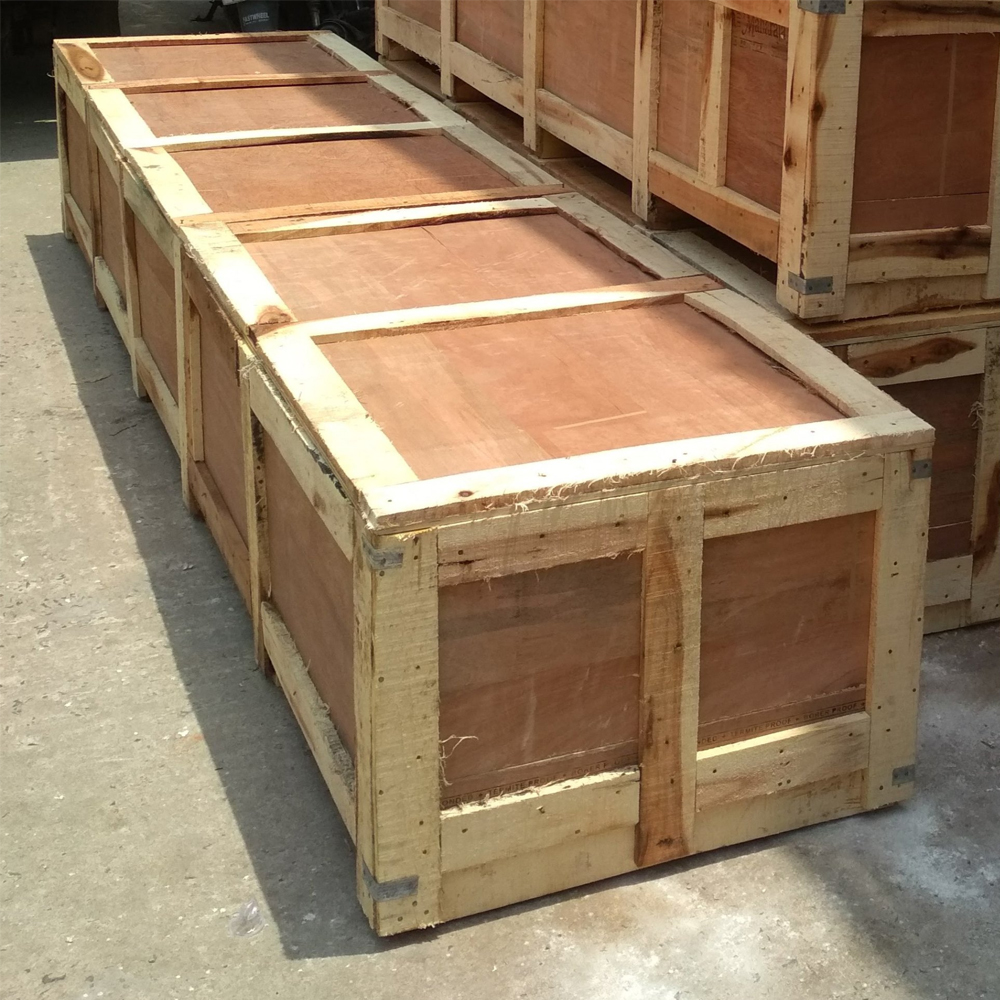
Ply boxes, often corrugated cardboard or wood, use multiple layers (“plies”) for strength, with more layers (like 3-ply, 5-ply, or 7-ply) meaning greater durability for heavier items or stacking, protecting goods during shipping, and coming in various forms like foldable wood or custom printed cardboard for e-commerce and industrial use, balancing protection with lightweight, cost-effective packaging.
These boxes are made by using plywood and particularly designed metal strip at edges. Metal edges provide added reinforcement to plywood and act as potent hinges. These boxes are quite easy and quick to assemble and dissemble, eventually saving lot of cost in terms of shipping and storage.
Benefits And Features of Plywood Boxes
Exceptional Strength and Durability: Superior strength-to-weight ratio compared to corrugated, capable of handling very heavy, bulky, or fragile items.
High Protection: Provides robust protection against physical impacts, vibrations, and moisture, which is crucial for long-distance transport and industrial applications.
Reusable: Their durable nature means they can be reused multiple times, making them a cost-effective long-term solution.
Stackable: Strong and rigid structure allows for secure vertical stacking in warehouses or during transit.
Cost-Effective: Generally, more affordable than plywood or metal alternatives.
Excellent Shock Absorption: The fluted layers act as cushions, absorbing shocks and impacts to protect the contents during shipping.
Versatile Strength: Available in different ply counts (3-ply for light to medium goods; 5-ply and 7-ply for heavy, fragile, or industrial items) to meet specific needs.
Eco-Friendly: Highly sustainable, often made from 70-100% recycled materials, and are fully recyclable and biodegradable.
Space Efficient: Typically, shipped and stored flat before assembly, saving warehouse space.