SR Steel
Steel MS Plates

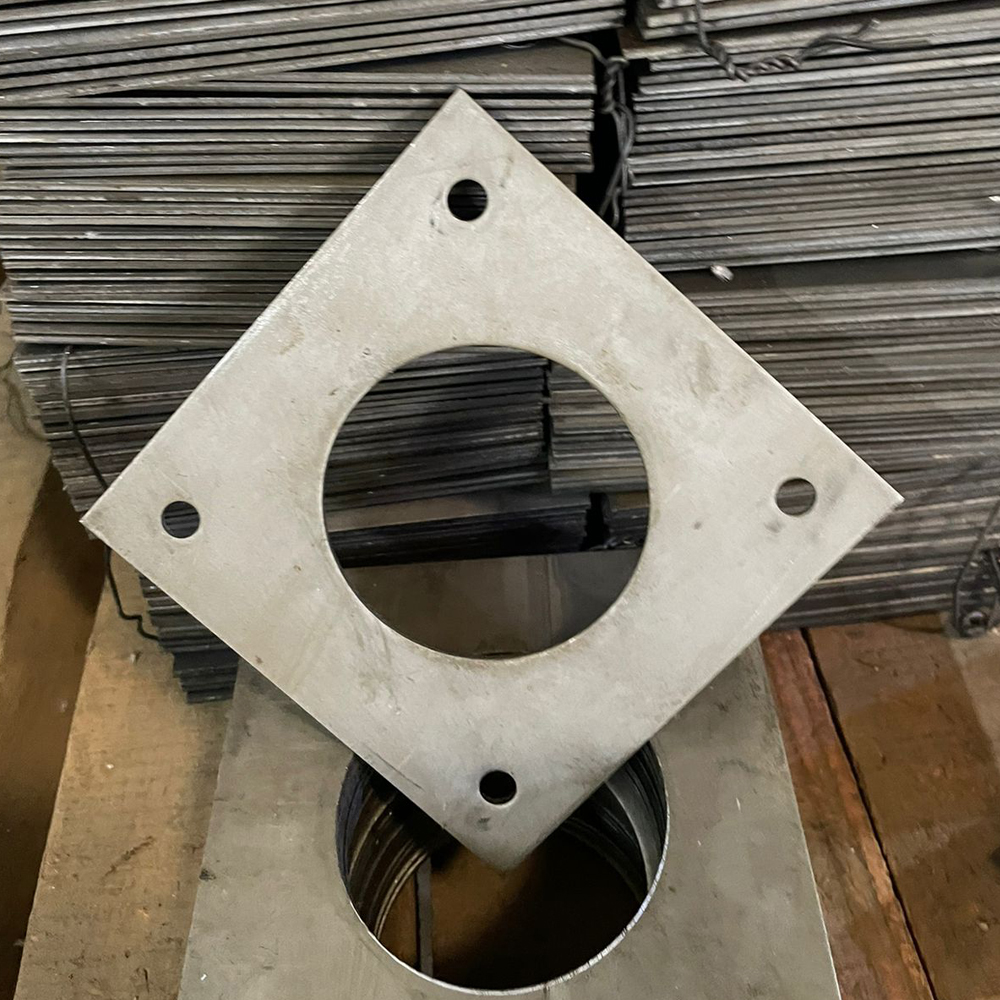
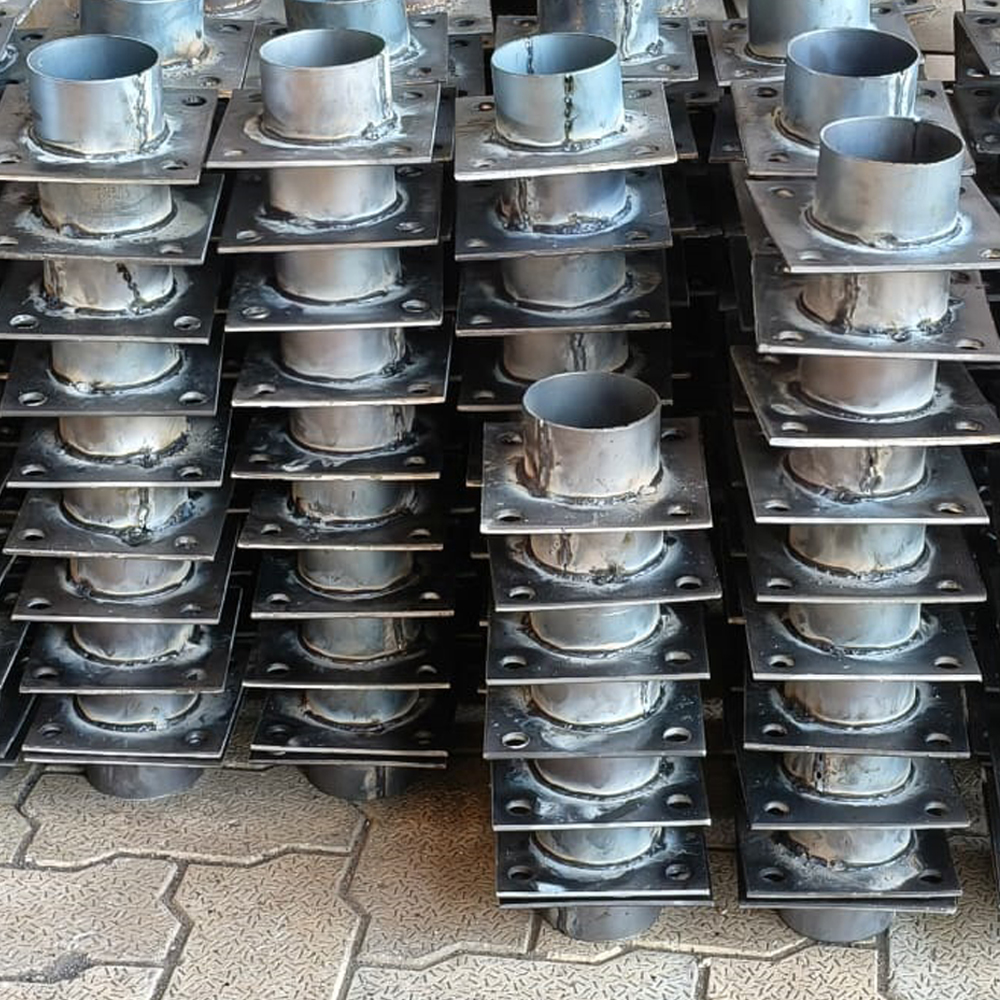
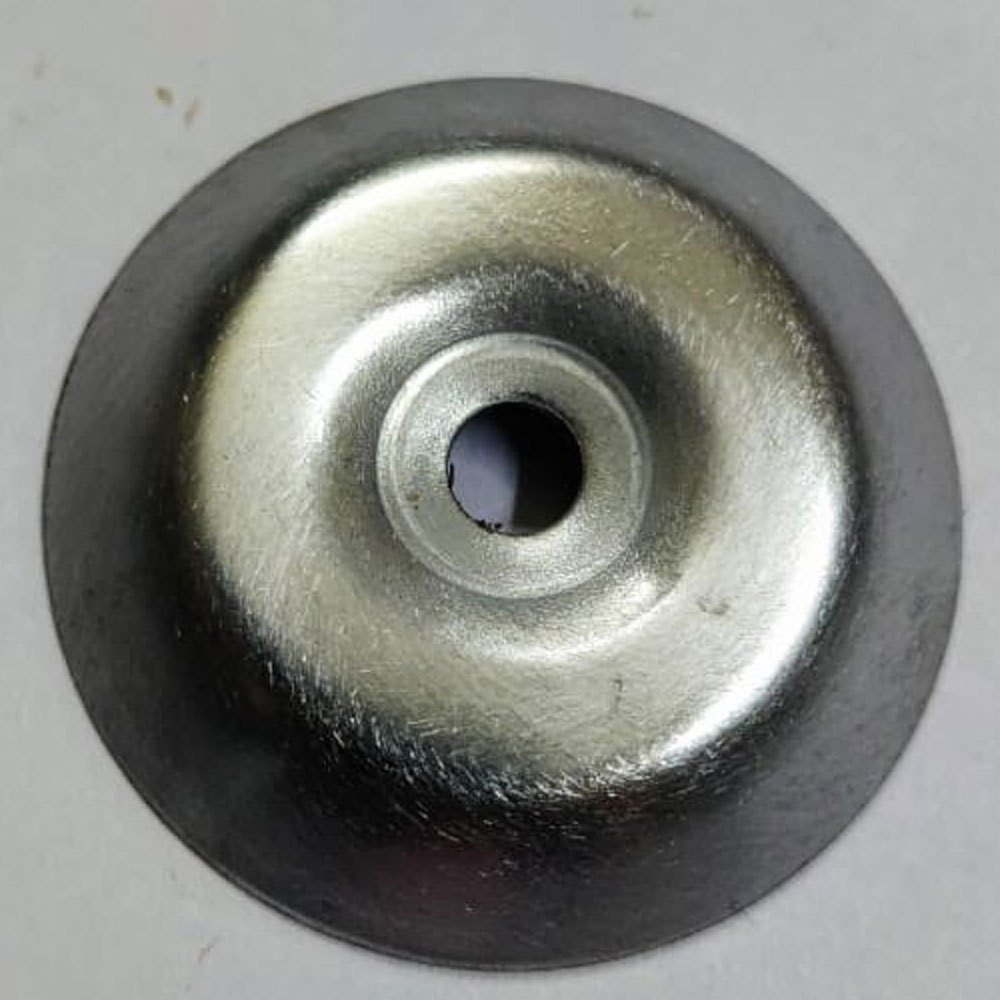
Steel MS plates are used to create cable entry plates and cable trays that provide a sturdy and organized way to route and secure cables in various applications, including industrial settings and telecommunications. These plates offer durability, high load-bearing capacity, and a cost-effective solution for cable management by protecting cables from damage and ensuring neat, organized distribution.
Steel Studs (Tie Rod)
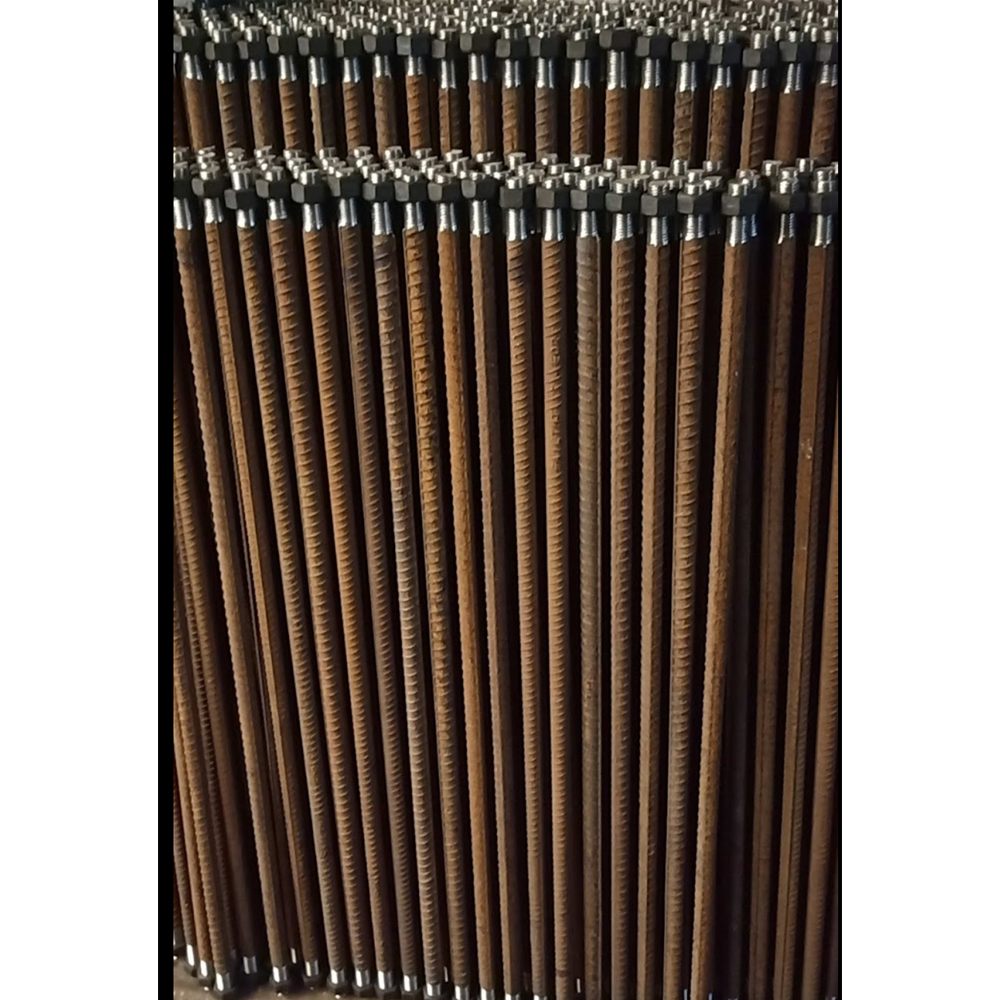
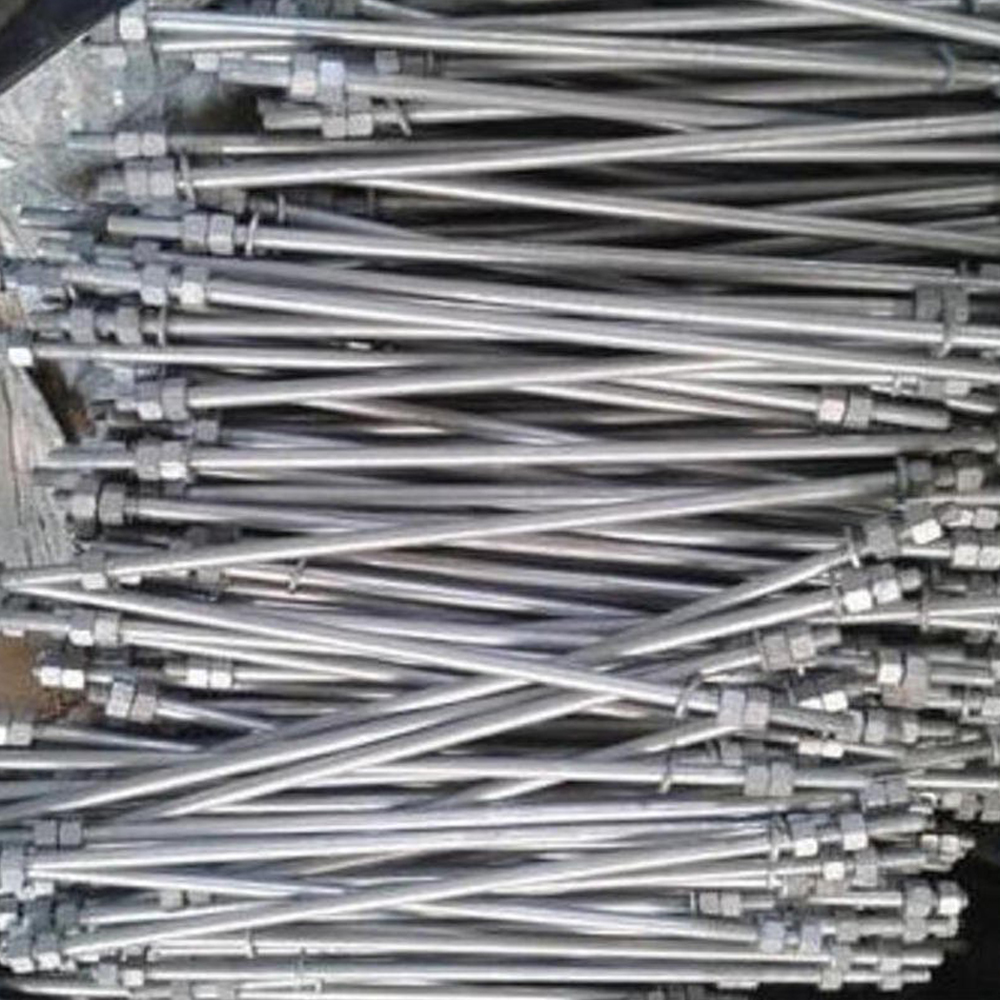
Steel studs are used in cable drums primarily as tie rods or clamping studs to reinforce and secure the drum structure, particularly in large wooden or heavy-duty steel cable drums. They are essential for ensuring the drum can withstand the weight and tension of heavy cables during transport, storage, and deployment, preventing the drum flanges from warping or detaching.
The studs (often functioning as tie rods) pass through the core and the flanges of the drum and are secured with washers and nuts. This assembly holds the entire structure together, preventing it from breaking apart under the significant stress of heavy industrial or power cables.
Washers
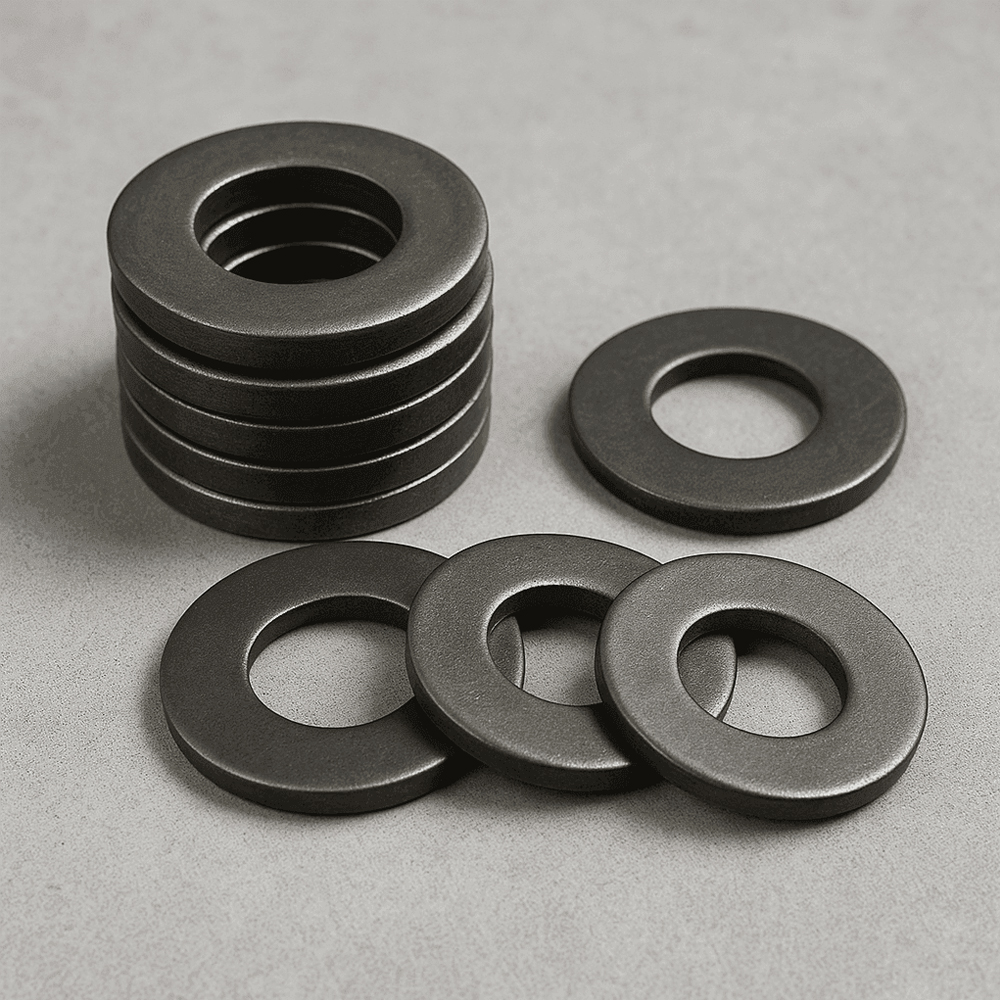
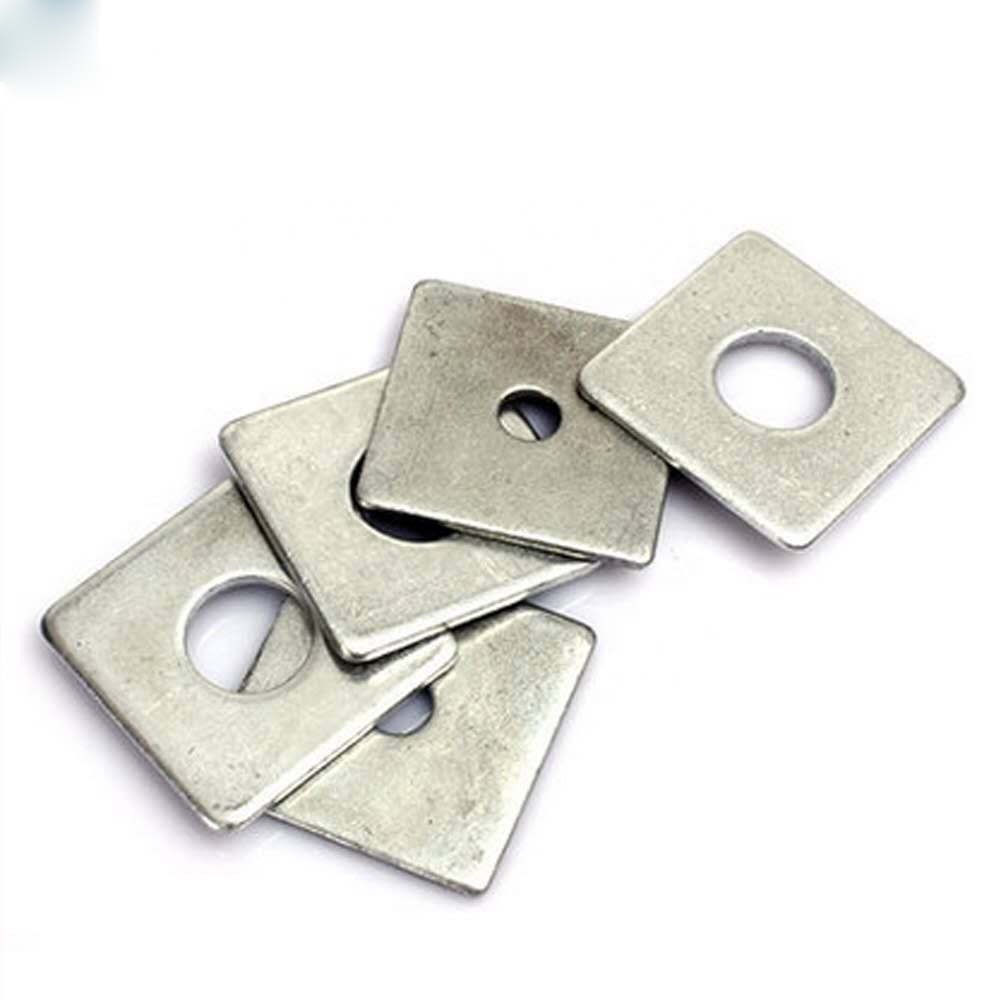
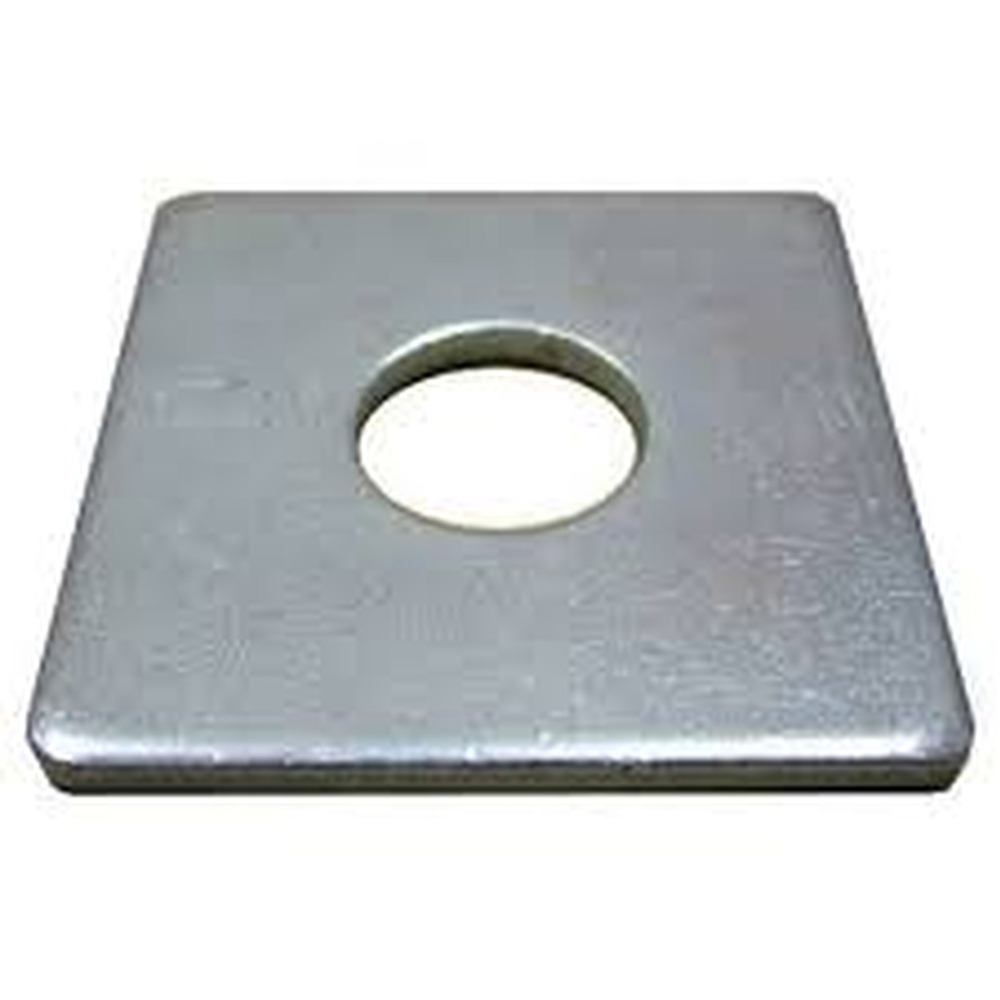
Washers:Washers are crucial for distributing the load and preventing damage to the drum material.
Plain flat washersare used under the nut.
Spring washers (positive lock type) are often specified under all nuts to prevent loosening due to vibration.
Steel Nut Bolt
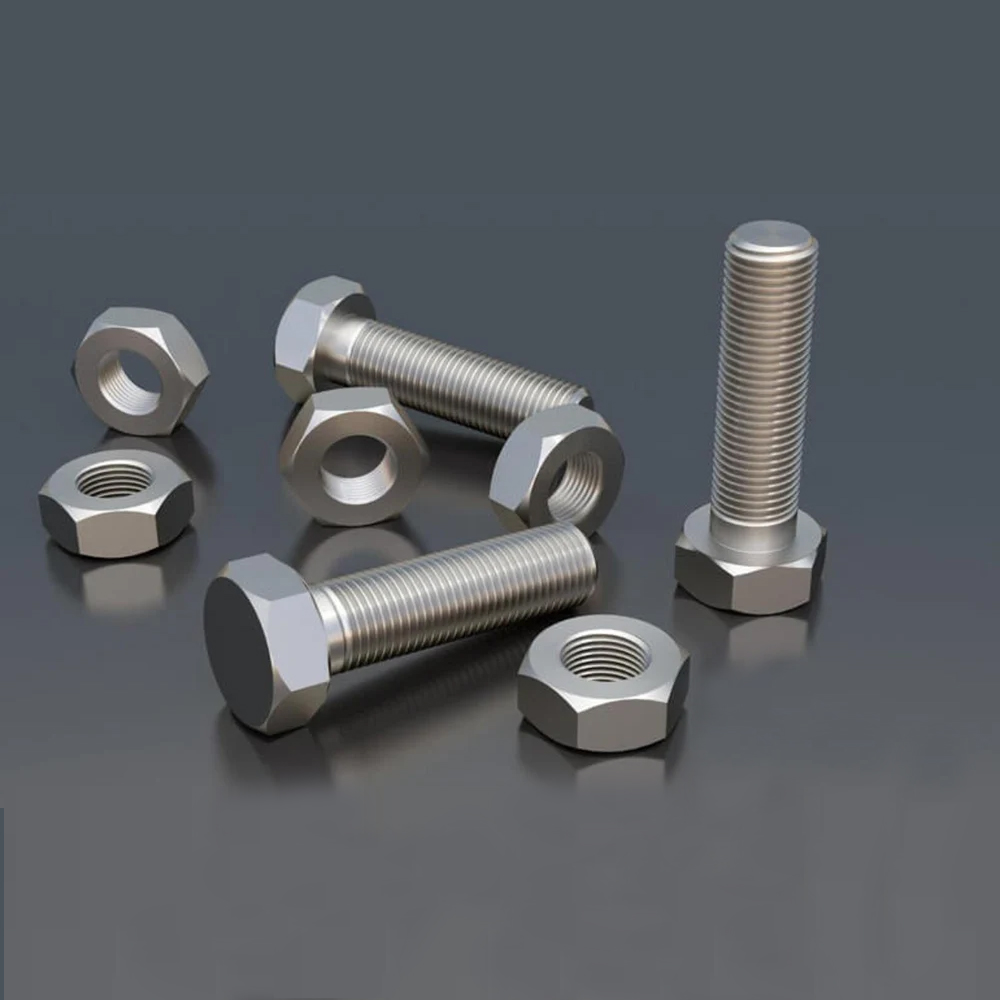
Steel nuts and bolts used in cable drums are typically mild steel (MS) or galvanized steel hex bolts and nuts with accompanying washers, chosen for their balance of strength, durability, and corrosion resistance.
Bolt Types:The most common types are hex head bolts (or screws) and tie rods. Tie rods (or internal distance bolts) are specifically used to connect the two flanges of the drum and prevent them from deforming under load.
Nut Types:Hex nuts and serrated flange nuts are standard. Flange nuts help distribute the load and provide a more secure grip, resisting loosening from vibration.